The FDA licenses a defined set of cellular and gene therapy products. Its list, updated 30 October 2026, includes HPC cord blood products and RYONCIL, a mesenchymal stromal cell product, while an earlier FDA consumer page described its approved stem cell products as cord blood products for disorders of the blood-forming system. Most stem cell treatments sold outside that set are unapproved in the US. Japan takes a different route: approved products go through the pharmaceutical law, and clinic-offered regenerative treatments are governed by the Act on the Safety of Regenerative Medicine, which requires a filed plan but does not license the treatment as a product. This article compares the two systems and lists the FDA facts we verified.
What the FDA has licensed
The FDA's page "Approved Cellular and Gene Therapy Products" lists the products licensed by its Office of Therapeutic Products. The page we reviewed was marked as current as of 30 October 2026, and it contained 55 products. Each entry gives a product name, its generic name and the manufacturer. The list is broad. It includes:
- CAR-T cell therapies, such as YESCARTA, KYMRIAH and CARVYKTI.
- Gene therapies, such as LUXTURNA, ZOLGENSMA and ROCTAVIAN.
- Several cord blood products, including HEMACORD, CLEVECORD and DUCORD.
- Tissue-engineered and cell-based products, such as MACI, GINTUIT and STRATAGRAFT.
- A mesenchymal stem cell product, RYONCIL (remestemcel-L-rknd), made by Mesoblast.
The list does not state indications for each product, so an entry on the list does not tell a reader what the product is approved to treat. The approved use is set out in each product's labeling.
What the FDA says about stem cell products
The FDA's consumer page on regenerative medicine therapies states that products of this kind require FDA licensure or approval before they can be marketed to consumers. It warns that patients charged for these products, or offered them outside a clinical trial, are likely being offered an illegal product. The page adds that clinics have often illegally marketed these products as safe and effective.
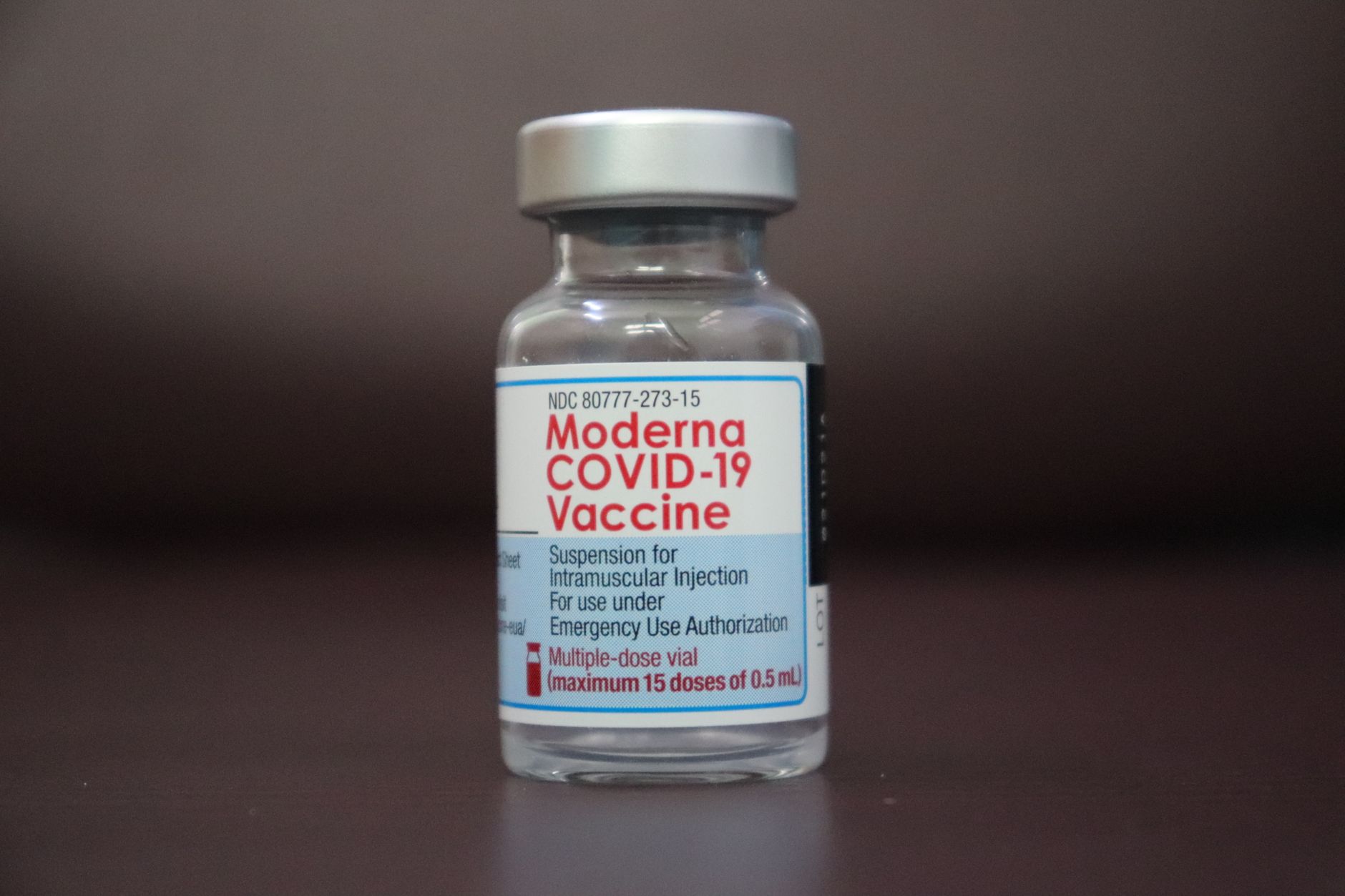
For cord blood, the FDA's HPC, Cord Blood page gives the approved indication: unrelated donor hematopoietic progenitor cell transplantation, used with an appropriate preparative regimen for hematopoietic and immunologic reconstitution in patients with disorders affecting the hematopoietic system. Those disorders are inherited, acquired, or result from myeloablative treatment. An earlier FDA consumer page said that the stem cell products it had approved were blood-forming products from umbilical cord blood, and that they were not approved for other uses. The newer list adds at least one other stem cell product, so the older wording should not be read as current.
RYONCIL appears on the FDA list. This article does not describe its indication, because we did not review its labeling for this article; the approved use is set out in that labeling.
How Japan's system works
Japan's system separates two questions: whether a product is approved, and whether a clinic may offer a treatment.
Approved products. Products approved under Japan's pharmaceutical law are handled as medicines. The Safety Act excludes approved regenerative medicine products when they are used within their approved conditions, and it excludes clinical trials. Japan's first iPS cell-derived products received conditional, time-limited approval on 6 March 2026, according to a JST Science Portal report dated 18 March 2026. The approval is conditional on confirming effectiveness through actual treatment during the 7-year approval period, after which an unconditional approval may be sought.
Clinic-offered treatments. A clinic that offers a regenerative treatment outside a trial must file a provision plan for that treatment with the Minister of Health, Labour and Welfare or the regional bureau, depending on the class. The plan must be reviewed by a certified committee first. The filing does not approve the treatment as a product, and it does not confirm that the treatment works.
Where the two systems differ
| United States (FDA) | Japan | |
|---|---|---|
| Who licenses the product | FDA licenses products before they are marketed to consumers | Approved products under the pharmaceutical law; clinic treatments under the Safety Act |
| Unit of regulation | Licensed product | Treatment technique, with a plan filed for each one |
| Risk classification | Not described in this article | Three risk classes, Class I to III |
| Waiting period | Not described in this article | 90 days after filing for Class I; none set for Class II or III |
| Status of unapproved treatment | FDA says these products require licensure before marketing to consumers | A treatment with a filed plan may be offered as self-pay care; no plan means no lawful provision |
The two systems differ in what they promise. The FDA licenses a product for a defined use. Japan's Safety Act regulates the process a clinic follows, and a filed plan is not a finding that the treatment works.
What to take from the comparison
Readers who compare these systems should keep three points in mind. First, a licensed product is not the same as a clinic-offered treatment, whatever the country. Second, a filed plan in Japan is a legal step, not a product approval. Third, the absence of a US approval does not mean the treatment is unsafe, and the presence of a Japanese filing does not mean it works.

Before you travel for any stem cell treatment, ask which regulatory path the treatment follows in Japan, which indication if any it is approved for, and what the clinic's evidence is for your condition. Send the clinic's name and the treatment description to our advisors, and we will check whether it has filed a provision plan for that treatment. The Japanese framework is explained on our how Japan regulates regenerative medicine page, and the wider context is in our stem cell therapy in Japan vs other countries article.
Frequently asked questions
Which stem cell treatments has the FDA approved?
The FDA's list, updated 30 October 2026, includes HPC cord blood products and RYONCIL, a mesenchymal stromal cell product, among other cell and gene therapies. Each product's labeling states its approved use, and this article does not describe RYONCIL's indication.
Does the FDA approve stem cell treatments for anti-aging?
The cord blood products the FDA describes are approved for disorders of the blood-forming system, and anti-aging is not among their approved uses. The FDA list we reviewed does not state indications for each product, so we cannot list every product's use from it alone.
Does Japan approve stem cell treatments?
Japan approves some regenerative medicine products under its pharmaceutical law, and it also allows clinics to offer regenerative treatments once a filed plan has been reviewed and submitted under the Safety Act. The filed plan is a procedure, not an approval of the product.
Is a filed plan the same as FDA approval?
No. A filed plan under Japan's Safety Act is a legal step for a clinic's own treatment. It does not approve a product for sale, and it does not establish effectiveness.
Why does Japan treat some treatments differently from the US?
Japan regulates clinic-offered regenerative medicine by process and risk class, and it regulates approved products separately under the pharmaceutical law. The FDA licenses products for defined uses. The two systems are designed differently, so a result in one country does not transfer to the other.
Sources: FDA, "Approved Cellular and Gene Therapy Products" (page marked current as of 30 October 2026); FDA, "HPC, Cord Blood" (approved indication); FDA, "Important Patient and Consumer Information About Regenerative Medicine Therapies"; JST Science Portal, report dated 18 March 2026 (conditional approval of two iPS cell-derived products on 6 March 2026); Japan Act on the Safety of Regenerative Medicine (Act No. 85 of 2013), Art. 2 and Enforcement Regulations, Arts. 2–3 (e-Gov text). Checked November 2026; MHLW (or the relevant body) publications prevail.
Medical disclaimer: This site provides general information only and does not constitute medical advice; whether any treatment is suitable for you must be decided by a doctor after an in-person consultation.