NMN is a precursor of NAD+: when you take NMN, your body has to convert it into NAD+. An NAD+ IV drip puts NAD+ itself straight into a vein. In Japan the two follow different regulatory paths. In 2020 the Ministry of Health, Labour and Welfare (MHLW) placed oral NMN on its list of ingredients that are not treated as drugs as long as no drug-like claims are made, which is why it is sold as a food ingredient. An NAD+ drip is an injection given at a medical institution, so the food-versus-drug classification for things taken by mouth does not apply to it. By the definitions in the Act on the Safety of Regenerative Medicine, which cover processed cells and nucleic acids, neither NAD+ nor NMN falls under that Act.
The evidence also differs. Oral NMN has a few randomized controlled trials with a few dozen participants, mostly showing that blood NAD+ levels rise. The human studies of intravenous NAD+ we found are pharmacokinetic and tolerability studies with about a dozen people, and a 2026 systematic review found no trials measuring anti-aging outcomes for intravenous NAD+.
How NAD+ and NMN relate
NAD+ (nicotinamide adenine dinucleotide) is a coenzyme found throughout the body's cells and involved in energy metabolism and many other reactions. NMN (beta-nicotinamide mononucleotide) is one of its precursors, one step away from NAD+ in the synthesis pathway. NR (nicotinamide riboside) is another.
So they are not two dosage forms of the same thing:
| Taking NMN | NAD+ IV drip | |
|---|---|---|
| What enters the body | A precursor of NAD+ | NAD+ itself |
| Route | By mouth (capsules, tablets, powder) | Intravenous infusion |
| Where | At home, self-administered | At a medical institution, given by medical staff |
| Status in Japan | Food ingredient (a "non-drug" ingredient) | An injection given as medical care; the oral food-versus-drug lists do not apply |
| Covered by the regenerative medicine Act? | Not covered, by the Act's definitions | Not covered, by the Act's definitions |
For broader background on NAD+ and anti-aging research, see Stem Cell Therapy for Anti-Aging: Evidence, Risks and What Shapes the Cost.
How Japan regulates oral NMN
Japan decides whether something taken by mouth counts as a drug using the MHLW's food-versus-drug classification. A notice dated March 31, 2020 added beta-nicotinamide mononucleotide (NMN), together with nicotinamide riboside chloride, to the list of ingredients that are not judged to be drugs as long as the product makes no drug-like claims.

The notice states at the outset that it deals with whether things people take by mouth are drugs. NMN's "non-drug" status therefore applies to oral products. It can be sold as a supplement on condition that it makes no drug-like claims to treat or prevent disease. Being on the list only separates drugs from non-drugs; it is not government endorsement of any anti-aging effect.
How Japan regulates NAD+ drips
An IV drip delivers fluid directly into a vein and is given as medical care at a medical institution. The food-versus-drug notice above deals with things taken by mouth, so it says nothing about the status of a drip.
The drug itself: product-by-product approval
Under Article 14 of Japan's pharmaceutical law (the Act on Securing Quality, Efficacy and Safety of Pharmaceuticals and Medical Devices), each drug must receive approval from the Minister of Health, Labour and Welfare, product by product, before it can be manufactured and sold. We did not find a primary source confirming whether Japan has an approved injectable drug with NAD+ as its ingredient, so this article makes no claim either way. Before agreeing to a drip, it is worth asking what product is being used and how the doctor has assessed you.
Payment: private care
Drips given for anti-aging or general wellness are not treatment for a disease covered by public insurance, so they are usually offered as self-pay private care (jiyu shinryo): the clinic sets the price and the patient pays in full. See Why Regenerative Treatment in Japan Is Self-Pay.
The regenerative medicine Act: outside its definitions
Japan's Act on the Safety of Regenerative Medicine applies to two kinds of medical technology: those using "processed cells" and those using "nucleic acids and similar substances" (the latter added by the amendment in force from May 31, 2025), as specified by cabinet order. Article 2 defines both terms:
- Processed cells: human or animal cells that have been cultured or otherwise processed.
- Nucleic acids and similar substances: nucleic acids introduced into a person's cells in the body, and substances that function to process materials closely involved in gene expression; in short, the materials used in in vivo gene therapy.
By those definitions, NAD+ and NMN are neither processed cells nor nucleic acids, so they fall outside the Act. They do not need a regenerative medicine provision plan under it, and a clinic's filed plan for a stem cell treatment says nothing about an NAD+ drip offered in the same package. For how the Act works, see How Japan regulates regenerative medicine and Regenerative Medicine in Japan: How the Safety Act Works and the Three Risk Classes.
What the human studies measured
The two routes have very different amounts of evidence. When reading the studies, look at the sample size and what was actually measured.
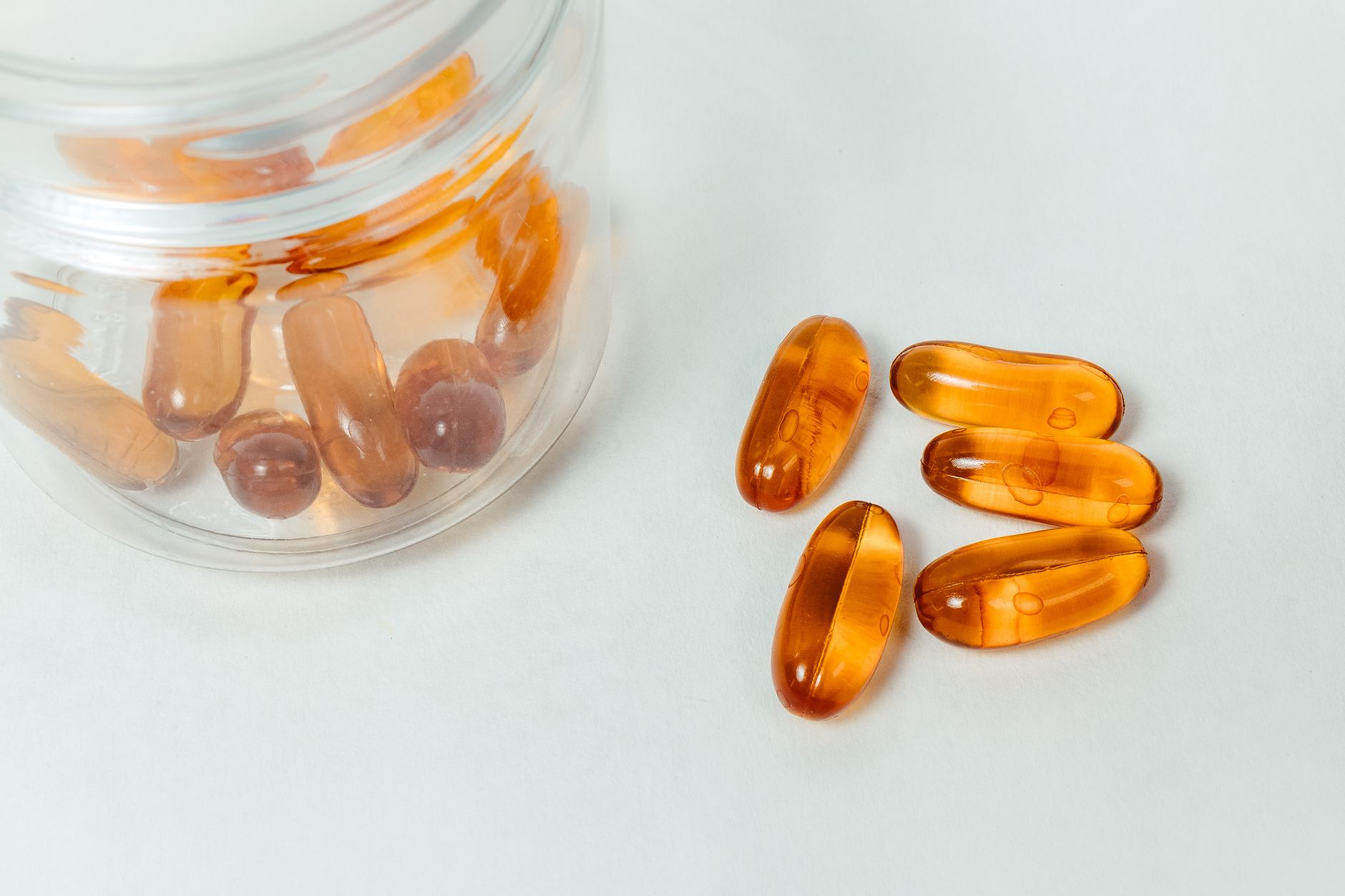
Oral NMN: a few small randomized trials
| Study | Participants and design | What was measured, and the result |
|---|---|---|
| Yoshino et al., Science, 2021 | Postmenopausal women with prediabetes and overweight or obesity; 10-week randomized, placebo-controlled, double-blind trial; 25 completed (13 on NMN at 250 mg a day, 12 on placebo) | Muscle insulin sensitivity, measured by hyperinsulinemic-euglycemic clamp, rose in the NMN group and did not change with placebo |
| Igarashi et al., npj Aging, 2022 | 42 healthy older men randomized 1:1; 250 mg a day for 12 weeks, assessed at 6 and 12 weeks | Well tolerated; whole-blood NAD+ and related metabolites rose significantly; gait speed and left-hand grip strength improved only at a "nominally significant" level, which the authors said needs confirming in larger studies; no significant effect on body composition |
Both studies involved a few dozen people over weeks to a few months in specific groups, and mostly measured blood markers or single functional measures. Some authors of the Igarashi study were employees of a Mitsubishi Corporation life sciences company, as the paper discloses.
A 2026 systematic review of 33 human intervention studies concluded that oral NR and NMN reliably raise NAD-related metabolites, but that functional, metabolic and other outcomes were inconsistent and often negative.
Intravenous NAD+: small pharmacokinetic and tolerability studies
| Study | Participants and design | What was measured, and the result |
|---|---|---|
| Grant et al., Frontiers in Aging Neuroscience, 2019 | First human pharmacokinetic pilot of IV NAD+; 11 men aged 30–55 (8 infused, 3 controls); 3 μmol per minute for 6 hours | No change in plasma NAD+ or its metabolites over the first 2 hours; infused NAD+ was rapidly and completely cleared from plasma; no adverse events during the 6-hour infusion |
| Reyna et al., Frontiers in Aging, 2026 | Retrospective pilot at a US commercial infusion provider; 6 people received IV NAD+ and 8 received IV NR, 500 mg a day for 4 days | The NAD+ group had moderate to severe gastrointestinal symptoms, raised heart rate and chest tightness during infusion, which resolved when the infusion ended; NAD+ infusions averaged 97 minutes versus 37 for NR; all authors were employed by the provider |
These studies looked at what happens to NAD+ in the blood and how well infusions are tolerated. Neither was designed to test effectiveness. The 2026 systematic review above found no eligible trials of intravenous or intramuscular NAD+ itself for anti-aging outcomes. A separate 2026 critical review of intravenous "longevity therapy," including NAD+, concluded that it should be regarded as experimental until rigorous randomized controlled trials show long-term benefit and safety.
When a Japanese clinic offers an NAD+ drip
On Japanese anti-aging menus, NAD+ drips often appear next to stem cells and exosomes, and each has a different regulatory status. Treatments using a patient's own fat-derived stem cells are provided after a plan is filed under the regenerative medicine Act. NAD+ drips are outside that Act by its definitions. Exosomes were left out of the Act after a 2021 review; an MHLW working group paper dated October 8, 2026 proposed bringing extracellular vesicles, including exosomes, under the Act, and that proposal is still under discussion. See Exosome Therapy for more.

Healthy adults interested in anti-aging can ask us directly. Send the treatment plan a clinic has given you to our advisors and we'll sort out the regulatory status of each item. Our advisors work directly with Japanese hospitals and clinics, match you with a suitable doctor and hospital, and arrange medical record translation, a remote video consultation, interpretation during your visit and follow-up after you return home. Consultation and coordination are free; you can start with our pre-screening. If you have a chronic condition, take regular medication, are under 18, are pregnant or planning a pregnancy, or have serious heart, brain or blood vessel disease, a Japanese doctor first needs to review your medical records.
Frequently asked questions
Are an NAD+ drip and NMN the same thing?
No. NMN is a precursor that the body converts into NAD+ after you take it by mouth; an NAD+ drip puts NAD+ itself into a vein. They differ in route, setting and regulatory status in Japan.
Is an NAD+ drip more effective than taking NMN?
The human studies we found don't support that claim. The intravenous NAD+ studies are pharmacokinetic and tolerability studies with about a dozen people, and a 2026 systematic review found no trials measuring anti-aging outcomes for intravenous NAD+.
Does an NAD+ drip need a plan under Japan's regenerative medicine Act?
No. The Act covers medical technologies using processed cells or nucleic acids, and by its definitions NAD+ and NMN are neither, so a clinic's filing for a stem cell treatment has no bearing on a drip.
What should I know before an NAD+ drip?
Have a doctor assess you first. A small 2026 retrospective study recorded moderate to severe stomach and bowel discomfort, a faster heart rate and chest tightness during NAD+ infusions, which also took longer than NR infusions. People who take regular medication or have a chronic condition especially need a doctor to review their health first.
Sources: Act on the Safety of Regenerative Medicine (Act No. 85 of 2013), Article 2 (e-Gov, version in force May 31, 2025); MHLW notice on food-versus-drug ingredient classification (March 31, 2020); Act on Securing Quality, Efficacy and Safety of Pharmaceuticals and Medical Devices, Article 14 (e-Gov); MHLW working group on the review of the regenerative medicine Act, 8th meeting, Document 2 (October 8, 2026); Yoshino et al., Science 2021; Igarashi et al., npj Aging 2022; Grant et al., Frontiers in Aging Neuroscience 2019; Reyna et al., Frontiers in Aging 2026; Gallagher and Emmanuel, Ageing Research Reviews 2026; Godic and Townsend, 2026 critical review (PubMed abstracts and full texts). Checked November 2026; MHLW publications prevail.
Medical disclaimer: This site provides general information only and does not constitute medical advice; whether any treatment is suitable for you must be decided by a doctor after an in-person consultation.