NK cell therapy takes a patient's or donor's natural killer (NK) cells, expands them in a laboratory and returns them to the body. NK cells are a real part of the immune system, but the evidence that expanded NK cells improve outcomes in cancer or other diseases is still limited, and most clinic offerings are unproven. In Japan, a clinic that offers NK cell therapy must file a treatment plan under the Act on the Safety of Regenerative Medicine, and the risk class depends on whose cells are used and how they are used.
What NK cells do
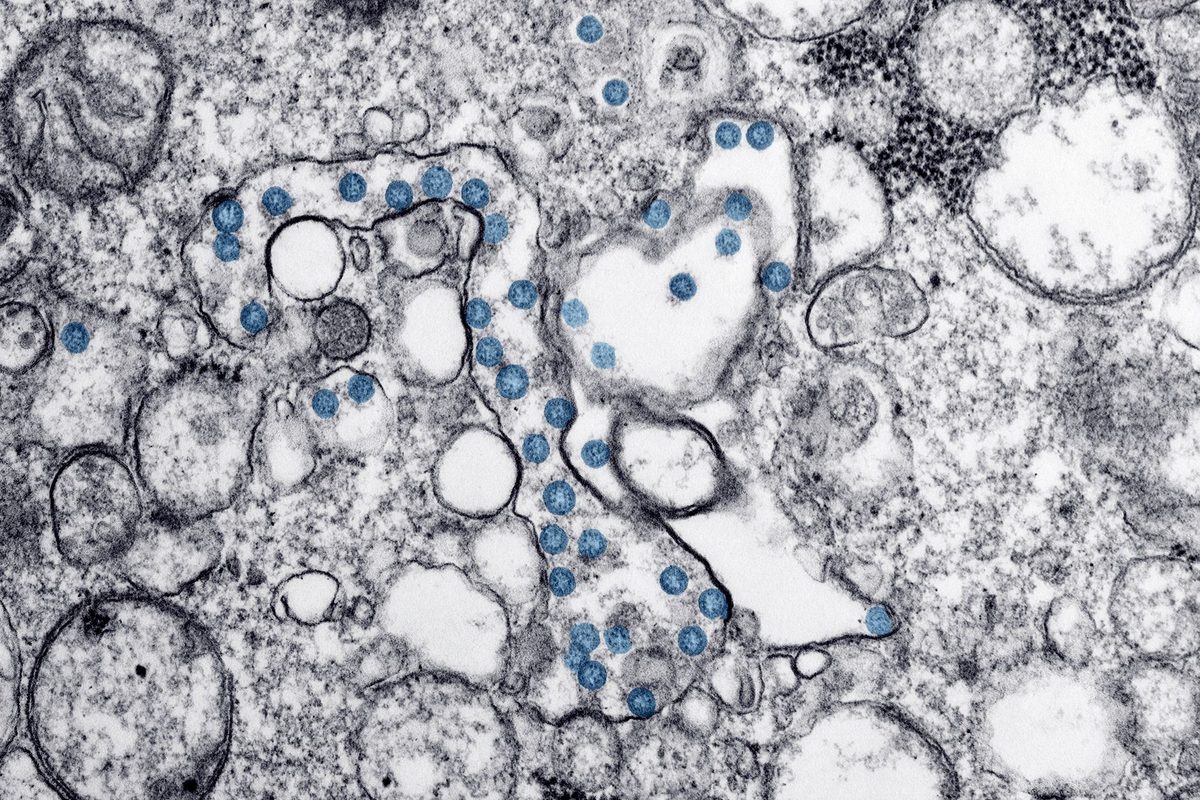
NK cells are lymphocytes, the same broad family as T cells and B cells, but they belong to the innate immune system. Innate immunity responds quickly and does not need prior exposure to a specific pathogen. NK cells can attack cells that are infected by viruses and some cells that have become cancerous.
The main difference from T cells is how they decide what to attack. T cells recognize a specific antigen presented on the cell surface and must first be activated by it. NK cells instead weigh a balance of activating and inhibiting signals on a target cell, and they respond without that prior priming. This is also why NK cells are part of the first line of defense against infected cells, before a targeted T cell response builds up.
Those biological facts are well established. They do not, on their own, show that giving more NK cells as an infusion will help a particular patient.
What NK cell therapy means in practice
Clinics that offer NK cell therapy typically collect blood, separate the lymphocytes, culture the NK cells for days or weeks, and then infuse them. The protocols vary between clinics, and a clinic's written description of its method is the main source of information a patient has.
The key questions are:
- Are the cells the patient's own, or from a donor?
- Are the cells genetically modified in the laboratory?
- What does the clinic say the treatment is expected to do, and what evidence is cited for that claim?
- How many infusions are proposed, and what is the basis for that number?
How the evidence is classified in Japan
The National Cancer Center Japan's public information service separates immunotherapy into two groups. Immunotherapies with proven effectiveness, such as some immune checkpoint inhibitors, are a narrow set. Immunotherapies offered as self-pay free treatment (jiyū shinryō) are described as having effectiveness that has not been proven and as not being established medical treatment. The service advises discussing any such treatment with the treating doctor, including its effectiveness, safety and cost.
This classification matters for NK cell therapy, because most NK cell offerings in Japan are self-pay free treatments. A clinic may have filed a plan for a treatment under the Safety Act, but filing shows only that the legal procedure was completed. It does not show the treatment works.
How Japan regulates NK cell treatments
The Safety Act sorts regenerative medicine into three risk classes, set out in Articles 2 and 3 of the Enforcement Regulations.
- Class I (highest risk) includes treatments that use cells from someone other than the patient, cells that were genetically modified, and some other categories. A donor-derived NK cell product is therefore Class I.
- Class II includes cultured stem cells, cultured cells used to rebuild or repair body structure or function, and cells used in a way that is not homologous use, meaning a use that does not match the cell's original function in the body.
- Class III covers the remaining techniques. Autologous immune cell therapy, in which the patient's own cells are expanded without genetic modification and used for a purpose other than rebuilding tissue, is generally Class III.
The class of a particular clinic's NK cell treatment is set by its filed plan, not by the name of the therapy. If a clinic describes the same product in a way that does not match its filed class, that gap is a reason to ask more questions.
For Class I, the Act requires a filed plan, a waiting period of 90 days from filing before treatment can begin, and review by a specially certified committee. For Class II, a specially certified committee reviews the plan. For Class III, a certified committee that reviews only Class III plans may review it. The Act does not set a waiting period for Class II or III.
The difference between a clinic's NK therapy and an approved product
Japan's approval process for pharmaceutical products is separate. The Safety Act excludes approved regenerative medicine products used as approved, and it excludes clinical trials. An NK cell treatment offered by a clinic outside a trial is therefore handled under the Safety Act, not as an approved drug. That distinction affects what the clinic has to prove and what public information exists about the product. We cover the wider contrast with CAR-T in our immunotherapy in Japan article.
What to ask before considering NK cell therapy in Japan
- Is this an autologous (the patient's own cells) treatment, or does it use donor cells?
- Under which risk class was the plan filed, and which committee reviewed it?
- Were the cells genetically modified?
- What published human evidence exists for my specific condition, and what outcome did it measure?
- How are adverse events handled during treatment and after I return home?
- How would this treatment interact with any treatment I am already receiving? Discuss that with my current doctor first.
If the answers do not fit together, send the clinic's name and the treatment description to our advisors, and we will check whether the clinic has filed a provision plan for that treatment and whether its class matches what you are being told. For the wider framework, see our how Japan regulates regenerative medicine page. If you want to assess whether the treatment fits your situation, start with the pre-screening form.
Frequently asked questions
Is NK cell therapy proven to work for cancer?
No. Expanded NK cell treatments offered as self-pay care in Japan are described by the National Cancer Center Japan as having effectiveness that has not been proven and as not being established medical treatment.
What class is NK cell therapy in Japan?
Autologous NK cell therapy is generally Class III under the Safety Act. If the cells are used in a way that is not homologous, the treatment may be Class II. Donor-derived or genetically modified cells are Class I. The filed plan decides the class for a given clinic.
Does a filed plan mean a clinic's NK cell treatment is effective?
No. A filed plan shows that a clinic has completed the legal procedure under the Safety Act. It does not show that the treatment works for a specific condition.
Do NK cells need to be stimulated before a patient can benefit from them?
NK cells respond to target cells without prior priming, which is a basic feature of innate immunity. Whether expanding them outside the body and returning them improves a patient's outcome is a separate question that remains unproven for most uses.
Are NK cell treatments covered by public insurance in Japan?
Most clinic NK cell treatments are self-pay free treatments, outside public health insurance. The clinic sets the price. Approved products are handled differently, so ask the clinic which category its treatment falls into.
Sources: Japan Act on the Safety of Regenerative Medicine (Act No. 85 of 2013) and its Enforcement Regulations, Arts. 2–3, Arts. 7–11 (e-Gov text); National Cancer Center Japan, Cancer Information Service, "Immunotherapy: More Detail," updated 6 November 2025 (ganjoho.jp); general immunology background on NK cell recognition (general consensus, no URL). Checked November 2026; MHLW (or the relevant body) publications prevail.
Medical disclaimer: This site provides general information only and does not constitute medical advice; whether any treatment is suitable for you must be decided by a doctor after an in-person consultation.