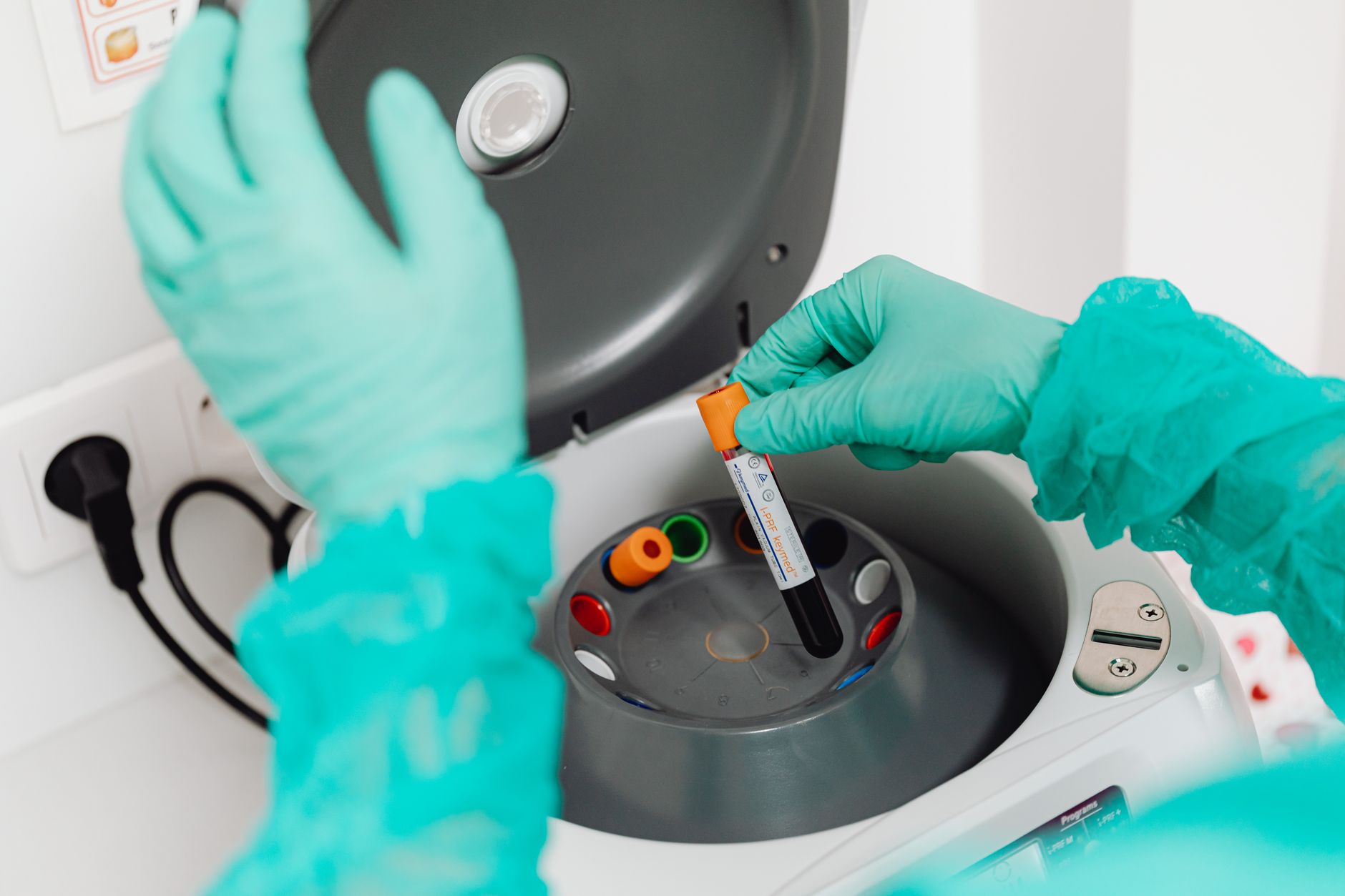
PRP, or platelet-rich plasma, is a concentrate of plasma made from your own blood. A sample is spun in a centrifuge, and the layer richer in platelets is collected and injected or applied to the treatment area. It is not cultured, so the procedure can take place in a single visit. In Japan, the regulatory class of a PRP treatment depends on how it is used, and the evidence for its common uses differs widely. This page explains how PRP is made, how it is classified, and what the research shows for joints, skin and hair.
How PRP is prepared
The basic steps are blood draw, centrifugation, collection of the platelet-rich plasma layer, and injection or application. No cells are cultured. Japan's Orthopaedic Association describes PRP as blood that is centrifuged without culture and then injected into the affected area.
Preparation is not standardized. Clinics differ in the number and speed of spins, the use of commercial kits, how far platelets are concentrated, whether white blood cells are included, and whether the preparation is used fresh or stored. Those differences make it hard to compare study results, which is one reason the research described below is inconsistent.
How Japan classifies PRP
Japan's Act on the Safety of Regenerative Medicine treats PRP as a cell-based product, so a clinic that offers it must file a provision plan for each use. The class depends on the use:
- Joint injection is Class II. The Enforcement Regulations define Class II to include cell use that is not homologous. The Japanese Orthopaedic Association's 2023 knee osteoarthritis guideline reference states that injecting PRP into a joint cavity, which has poor blood flow, is non-homologous use, so it falls under Class II and requires a plan reviewed by a certified committee.
- Other uses follow the plan. PRP used in other tissues or for other purposes is classified according to the clinic's filed plan. A single clinic may file several plans for different sites or methods.
Because the class is tied to the specific use, the right question is not "does this clinic offer PRP?" It is "is my exact treatment, at my exact site and by my exact method, in a filed plan?" For the framework, see how Japan regulates regenerative medicine. For the wider classes, see Regenerative Medicine in Japan: How the Safety Act Works and the Three Risk Classes.
Joints: what the 2023 guideline says
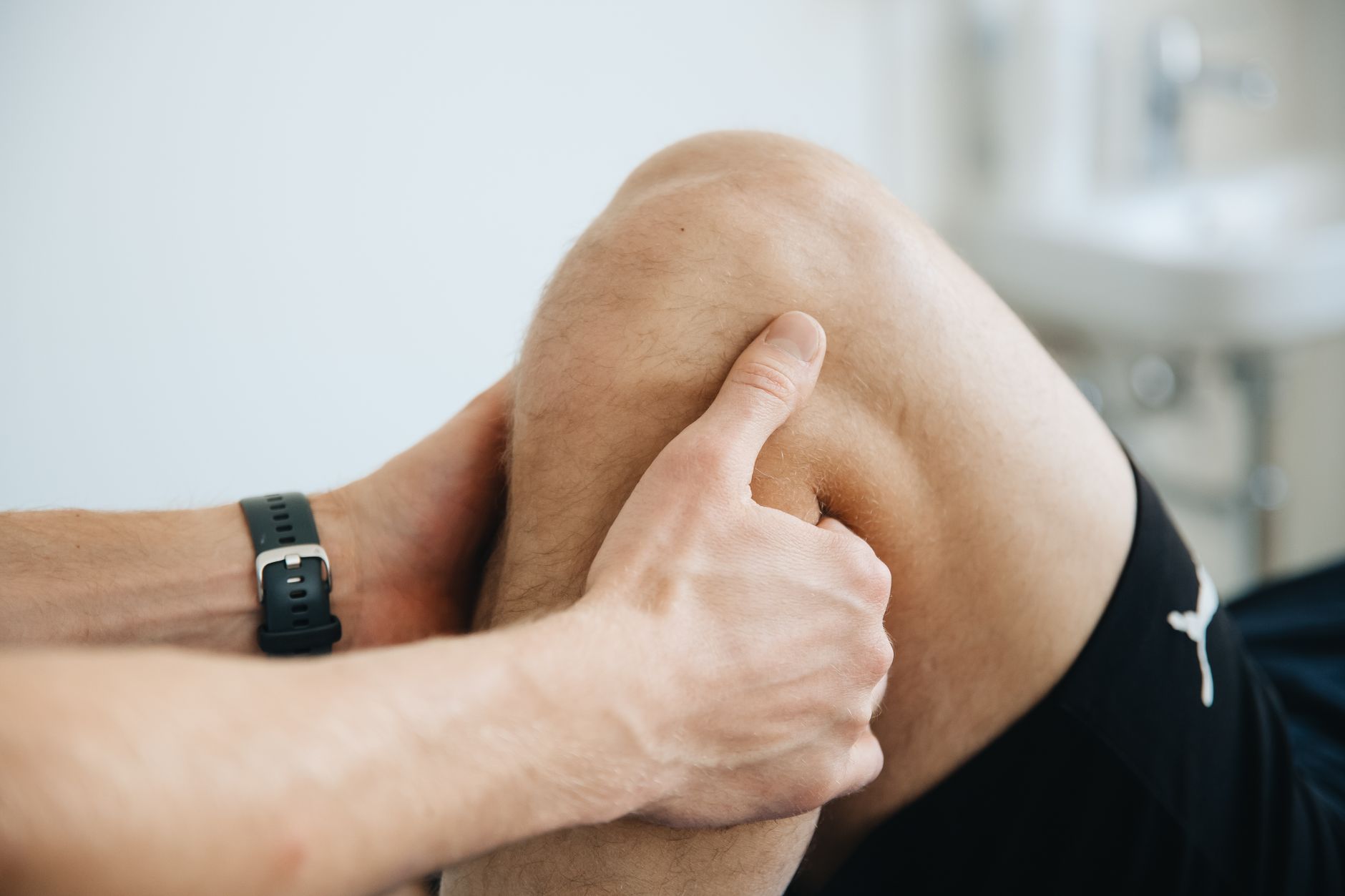
Knee osteoarthritis is the most common reason people ask about PRP in Japan. The Japanese Orthopaedic Association's 2023 knee osteoarthritis guideline reviewed PRP in a reference section rather than as a graded recommendation. Its main conclusions were:
- Pain relief and function: Across trials, results varied so much that the reviewers could not make a reliable judgment about pain relief, physical function, or activities of daily living.
- Safety: Dropout rates were similar to saline controls, and adverse events were not reliably judged. The reviewers noted that adverse events occur in some preparation methods.
- Cartilage repair: The reviewers could not show that PRP repairs or regenerates cartilage, and its biological effects remain unclear.
- Cost: PRP is self-pay in Japan and costly. The reviewers said further study is needed to determine whether the cost is justified by the benefit.
The guideline also notes that the variation may reflect differences in preparation, dose and the severity of knee osteoarthritis. In short, the Japanese orthopedic guideline does not establish PRP as an effective knee treatment.
Tendon and ligament injuries are also common reasons for PRP, and they are generally self-pay as well. The same caution applies: each treatment should be checked against the filed plan and the evidence for that indication.
The number and design of the trials matter. The reviewers pooled saline-controlled trials and reported heterogeneity, a measure of how much the trials disagree with each other, of at least 84 percent at every follow-up point for pain relief, and above 90 percent at most time points. A result that varies that much cannot be read as one answer. That is the core reason the guideline stops short of judging PRP effective for knee pain.
Skin and hair: self-pay uses with limited evidence
Skin rejuvenation and hair loss treatments with PRP are generally offered as self-pay services. Human studies in these areas tend to be small and to use different preparation methods, so they are hard to combine. For a patient, the practical point is that the outcome varies, and a clinic should be able to explain the evidence behind its specific protocol.
Risks and questions to ask
PRP uses your own blood, so immune rejection is not the main concern. It is still an invasive procedure. Local pain, swelling, bruising and, less often, infection are the common issues. Sterility of preparation and the handling environment affect safety.
Before you commit, ask:
- Is my exact use, site and method in the clinic's filed plan, and what class is it?
- Which certified committee reviewed the plan?
- How is the PRP prepared, and is it used fresh or stored?
- How many sessions are planned, how far apart are they, and what does the price include?
- What human studies support the specific use, and how is the result measured?
If you are considering PRP in Japan, send the clinic's name and the treatment name to our advisors. We will check whether the clinic has filed a provision plan for that use. You can start with our pre-screening page.
Frequently asked questions
What is PRP?
PRP is plasma made by spinning your own blood until the platelet-rich layer is separated. It contains growth factors and is injected or applied to the area being treated.
What class of regenerative medicine is PRP in Japan?
It depends on the use. Injection into a joint is Class II, because it is non-homologous use. Other uses follow the clinic's filed plan.
Is PRP covered by insurance in Japan?
Most uses are self-pay. The Japanese Orthopaedic Association notes that PRP is self-pay in Japan and that its cost is high.
Does PRP work for knee osteoarthritis?
The 2023 Japanese Orthopaedic Association guideline found that current trials were too varied to reliably judge pain relief or function, and that cartilage repair had not been shown. The evidence is not conclusive.
Is PRP the same as stem cell therapy?
No. PRP is a concentrate of plasma and contains no cultured stem cells. Treatments that use cultured stem cells are classified differently and are subject to different rules.
Medical disclaimer: This site provides general information only and does not constitute medical advice; whether any treatment is suitable for you must be decided by a doctor after an in-person consultation.
Sources: Japanese Orthopaedic Association, Clinical Practice Guideline for Knee Osteoarthritis 2023, reference material 2, "Results of the evidence compilation and commentary on platelet-rich plasma (PRP) therapy" (via Minds, minds.jcqhc.or.jp); Act on the Safety of Regenerative Medicine (Act No. 85 of 2013), e-Gov Law API; Enforcement Regulations (MHLW Ordinance No. 110 of 2014), e-Gov Law API, Article 3. Checked November 2026; MHLW (or the relevant body) publications prevail.
Medical disclaimer: This site provides general information only and does not constitute medical advice; whether any treatment is suitable for you must be decided by a doctor after an in-person consultation.