Mesenchymal stem cells (MSCs) are adult cells that can be isolated from bone marrow, fat, umbilical cord tissue and other tissues, then grown in the lab. The source matters less as a marketing label than for two practical reasons: whether the cells are your own or a donor's, and how Japan classifies the treatment. Under Japan's regenerative medicine law, cultured cells from someone other than the patient, such as donated umbilical cord MSCs, fall into Class I, the highest-risk tier; the patient's own cultured fat or bone marrow MSCs fall into Class II. No source has been shown to be the best choice for every condition.
What a mesenchymal stem cell is
MSCs are adult (somatic) stem cells found in many tissues. Unlike iPS cells or embryonic stem cells, which can become almost any cell type, MSCs have a narrow range. In the lab they mainly turn into bone, cartilage and fat cells.
Early research labs isolated and grew these cells in different ways, which made results hard to compare. In 2006 the International Society for Cellular Therapy (ISCT) published a position statement (Dominici et al., Cytotherapy, 2006) setting out minimal criteria for human multipotent mesenchymal stromal cells. It is still widely cited. Cells must:
- Stick to plastic culture dishes under standard culture conditions.
- Carry the surface markers CD105, CD73 and CD90, and lack CD45, CD34, CD14 or CD11b, CD79-alpha or CD19, and HLA-DR.
- Be able to become bone-forming cells (osteoblasts), fat cells (adipocytes) and cartilage-forming cells (chondroblasts) in a dish.
Note the wording: the ISCT paper calls them "stromal" cells, and you will see both "stem" and "stromal" used for MSCs. Either way, "MSC" describes a group of cells that meet a lab definition. It is not one specific cell from one organ. Cells from different tissues can all meet the criteria and still behave differently.
How MSCs are thought to work
Early researchers focused on the idea that MSCs would turn into new tissue. Much current research instead looks at what the cells release: signaling molecules that act on nearby tissue, and effects on the immune system. That is one reason the approved MSC products discussed below mostly target an immune complication, graft-versus-host disease. Whether these mechanisms hold for any other condition has to be tested disease by disease, in human studies.
Umbilical cord, fat and bone marrow: how the sources compare
| Bone marrow | Fat (adipose) | Umbilical cord tissue | |
|---|---|---|---|
| How cells are collected | Needle aspiration, usually from the hip bone | Small liposuction-type harvest, often from the abdomen | Donated cord tissue collected after a baby's birth |
| Whose cells | Your own, or a donor's | Usually your own | A donor's, for any adult patient |
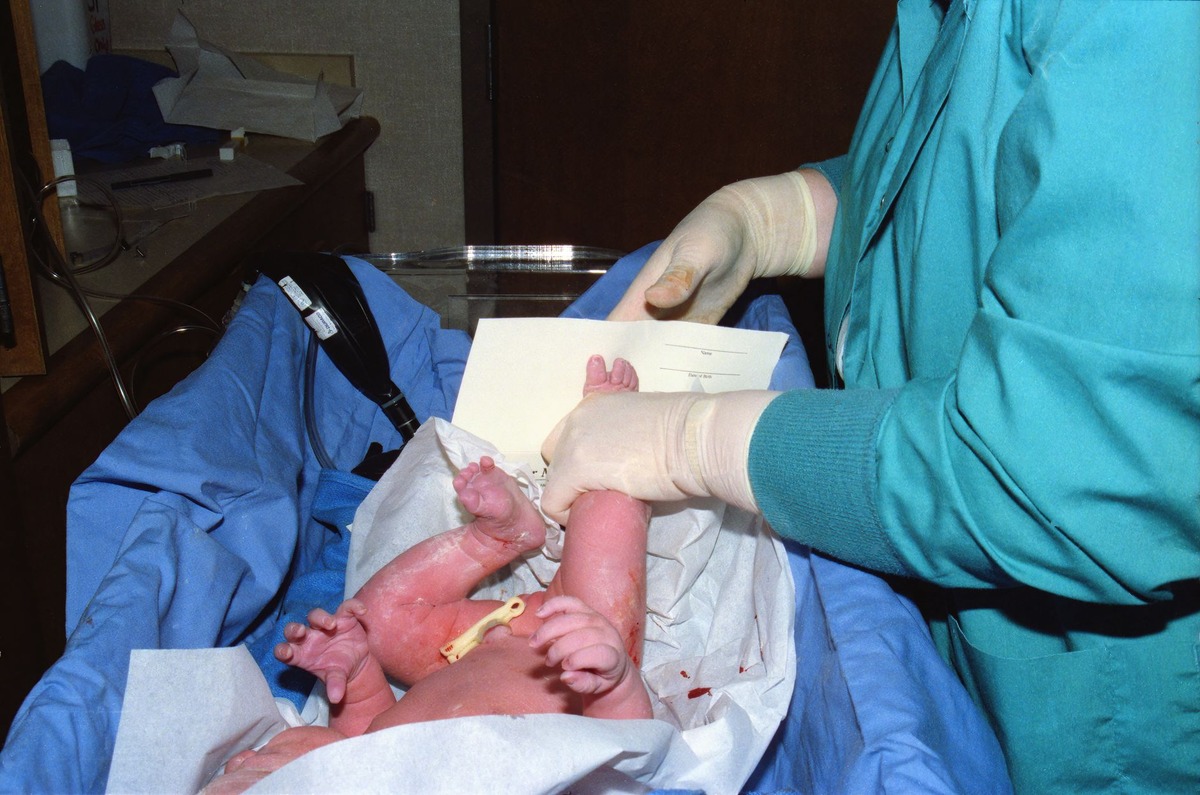
| Burden of collection | Needle procedure with some pain | Minor procedure | Nothing is taken from the patient |
| Usual class in Japan | Own cultured cells: Class II; donor cells: Class I | Own cultured cells: Class II | Class I |
A few points the table can't show:
- Own versus donor cells is the decision that matters most in practice. With your own (autologous) cells, immune rejection is less of a concern, but you need a collection step, then a wait while the cells are cultured, and the cells reflect your own age and health. Donor (allogeneic) cells can be prepared in advance, but they raise questions about donor screening, infection control and immune reactions. That is why Japan places them in its highest-risk class.
- Umbilical cord blood is not umbilical cord MSC. Cord blood contains blood-forming (hematopoietic) stem cells and is used in hematopoietic stem cell transplants, such as for certain blood cancers. "Umbilical cord stem cells" offered at clinics usually means MSCs grown from the cord tissue itself, a different cell type used in a different way. Our article on stem cell transplants versus stem cell injections explains why the two should not be confused.
- Cells from different sources do differ in how fast they grow and what they secrete, and many studies compare them. That research does not yet support a general claim that one source works better. The right choice depends on the condition, the treatment design and the human data behind it.
Which MSC products have regulatory approval
As of November 2026, these are documented examples of approved MSC products. Each was approved for a specific disease and patient group:

| Product | Country | Cell source | Approved for | Approval |
|---|---|---|---|---|
| Temcell HS Inj. (テムセルHS注), JCR Pharmaceuticals | Japan | Donor bone marrow from healthy adults | Acute graft-versus-host disease after hematopoietic stem cell transplant | September 2015 (launched February 2016) |
| Stemirac Inj. (ステミラック注), Nipro | Japan | Patient's own bone marrow | Neurological symptoms and functional impairment from spinal cord injury | Conditional, time-limited approval on December 28, 2018 |
| Ryoncil (remestemcel-L-rknd) | United States | Donor bone marrow | Steroid-refractory acute graft-versus-host disease in children 2 months and older | December 18, 2024 |
| Human umbilical cord MSC injection | China | Donor umbilical cord | Steroid-refractory acute graft-versus-host disease, mainly affecting the digestive tract, in patients 14 and older | Conditional approval announced by China's NMPA on January 2, 2025 |
Some context for each:
- Temcell HS was Japan's first regenerative medicine product made from someone else's cells. MSCs are isolated from healthy adult donors' bone marrow and expanded in culture.
- Stemirac uses MSCs from the patient's own bone marrow, grown outside the body and given by intravenous drip. Japan granted it conditional, time-limited approval, so Nipro had to confirm its efficacy and safety within the time limit. Nipro applied for full approval on November 14, 2025. On October 15, 2026, the regenerative medicine products committee of Japan's Pharmaceutical Affairs Council endorsed full approval, and the ministry planned to grant it about a month later. Yakuji Nippo reported that this will be the first case of a product moving from conditional, time-limited approval to full approval.
- Ryoncil is, per the FDA, the first FDA-approved mesenchymal stromal cell therapy. For US readers, this is the useful benchmark. More on the US side is in Which Stem Cell Treatments Are FDA-Approved.
- The Chinese product, a human umbilical cord MSC injection, was conditionally approved through China's priority review pathway, per the NMPA notice reported by Xinhua.
Together these cover donor bone marrow, own bone marrow and donor umbilical cord. Each approval covers one condition and one patient group. None of them shows that MSCs from that source work for other diseases. Under Japan's law, an approved product used as approved is outside the clinic provision-plan system described below. That system covers cell treatments that are not approved products.
How Japan regulates MSC treatments by source
Clinics in Japan that offer MSC treatments outside of approved products do so under the Act on the Safety of Regenerative Medicine. The Act's Enforcement Regulations (Articles 2 and 3) decide the class:
- Class I (highest risk): among other categories, any treatment using cultured or otherwise processed cells from a person other than the one being treated. A clinic using donated umbilical cord MSCs is therefore offering Class I treatment. The plan must be reviewed by a Specially Certified Committee for Regenerative Medicine and submitted to the Minister of Health, Labour and Welfare. The clinic may not provide the treatment until a 90-day period has passed, which the Minister can extend or shorten.
- Class II: treatments using cultured stem cells, among others. Your own fat or bone marrow MSCs, grown in culture, usually fall here. These plans also need review by a Specially Certified Committee and are then filed with the health ministry before treatment begins.
- The class of any specific treatment is set by the plan the clinic has filed.
The Japan regulatory overview at How Japan regulates regenerative medicine and our article on the Safety Act and the three risk classes explain the process in more detail.
This gives you a simple cross-check. If a clinic offers "umbilical cord stem cells," ask whether the treatment was filed as Class I and when. A donor-cell treatment described as Class II or Class III is a red flag.
These treatments are private, self-pay care in Japan: the clinic sets the fee and the patient pays in full (see why regenerative treatment in Japan is self-pay). A filed plan means the clinic completed the legal process and passed committee review. It does not mean the treatment's effectiveness has been proven.
Questions to ask before you travel
- Which source are the cells from, and are they my own or a donor's?
- Which class was this treatment filed under, and which certified committee reviewed it?
- Where are the cells cultured, and what quality and infection testing is done?
- If the cells are my own, how long from collection to treatment, and how many trips to Japan will that take?
- What human studies support this treatment for my condition?
On timing: at the institutions we coordinate with, an autologous adipose-derived stem cell course typically runs about 6 to 12 months, with regular trips to Japan, and the treating doctor sets the actual plan. If you have a specific condition, a Japanese doctor first reviews your medical records to judge whether any treatment is appropriate.
A longer checklist is in 10 Questions to Ask a Japanese Clinic. If you are unsure about a clinic, send its name to our advisors and we will check whether it has filed a provision plan for that treatment. Our advisors work directly with Japanese hospitals and clinics, match you with a suitable doctor and institution, and arrange medical record translation, a remote video first consultation and an interpreter throughout; consultation and matching are free. You can also start with our pre-screening.
Frequently asked questions
How are mesenchymal stem cells different from iPS cells?
MSCs are adult stem cells already present in the body, and they can become only a limited range of cell types. iPS cells are made by reprogramming ordinary body cells into a pluripotent state, so they can become many cell types. In Japan, any treatment using iPS cells is Class I.
What class are umbilical cord stem cells in Japan?
Class I. For the person being treated, cord-derived MSCs are someone else's cells, and the Enforcement Regulations place cultured cells from another person in Class I.
What class are my own fat-derived stem cells in Japan?
If they are cultured, they are usually Class II. The treatment plan must be reviewed by a Specially Certified Committee and filed before treatment, and the clinic's filed plan sets the final class.
Which source works best: umbilical cord, fat or bone marrow?
There is no established answer. Cells from different sources differ, but which one suits which disease depends on clinical study data for that condition.
Are any MSC treatments approved?
Yes, but only for specific conditions. Temcell HS (Japan), Ryoncil (US) and a cord MSC product in China are approved for acute graft-versus-host disease, and Stemirac (Japan) for spinal cord injury.
Sources: ISCT minimal criteria for MSCs (Dominici et al., Cytotherapy 2006;8(4):315-317); PMDA list of approved products, FY2018; JCR Pharmaceuticals product information; Yakuji Nippo reports (February 22, 2016; October 19, 2026); Nipro press release (November 2025); US FDA (Ryoncil approval; cord blood information for consumers); China NMPA announcement as reported by Xinhua (January 2025); Act on the Safety of Regenerative Medicine and its Enforcement Regulations (e-Gov). Checked November 2026; MHLW and the relevant regulators' publications prevail.
Medical disclaimer: This site provides general information only and does not constitute medical advice; whether any treatment is suitable for you must be decided by a doctor after an in-person consultation.