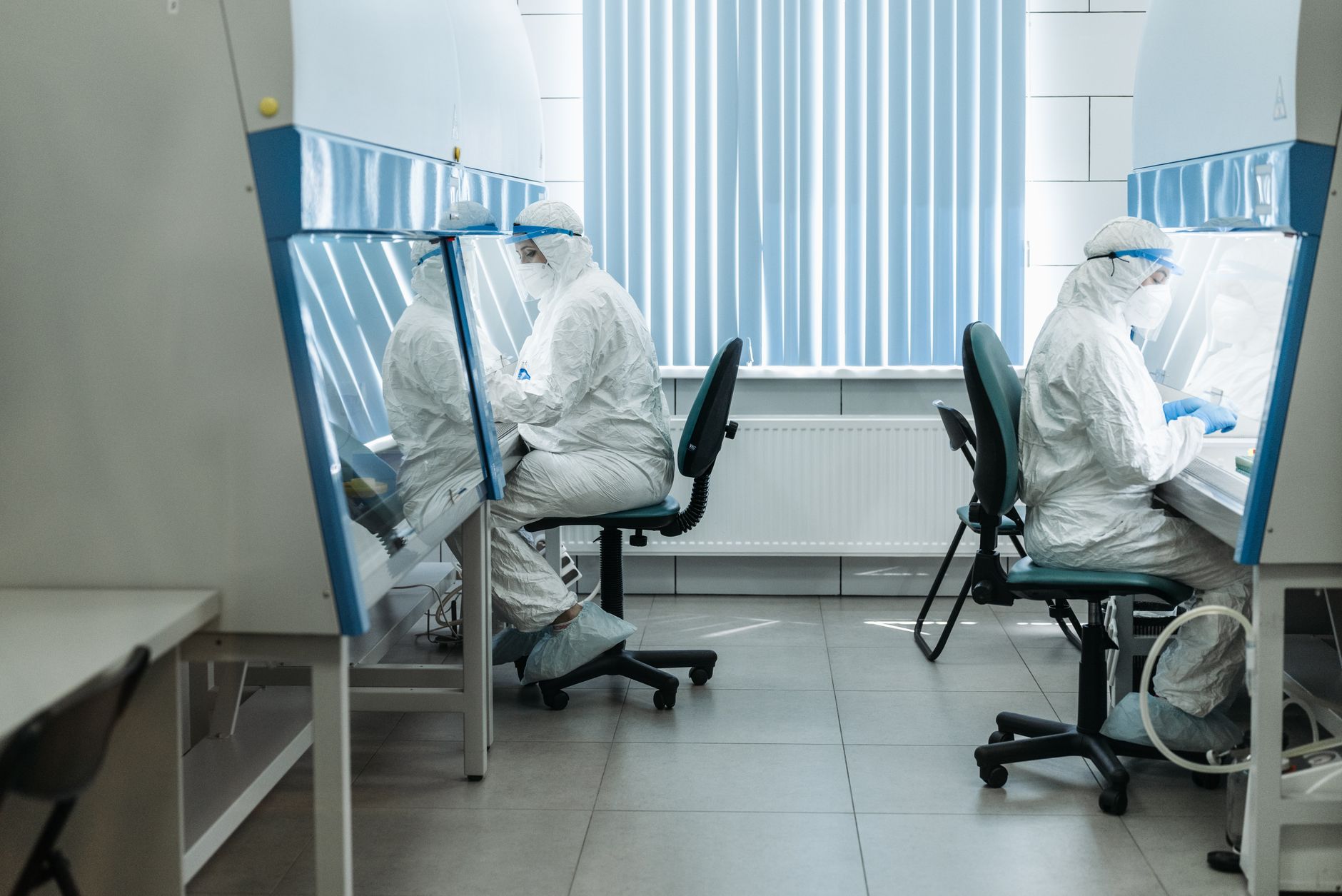
In Japan, stem cells and immune cells that are cultured for treatment must be made in a cell processing facility, often called a CPC, that is registered under the Act on the Safety of Regenerative Medicine. A facility inside a hospital or clinic files a notification, a facility outside a medical institution needs a license from the Minister of Health, Labour and Welfare, and an overseas facility can be accredited to make cells for patients in Japan. Within those rules, culture methods still differ from one facility to another, especially in what goes into the culture medium, whether cells are frozen before use, and which tests are run before release. This page explains each point and ends with the questions worth asking.
What Japanese law calls a "specified processed cell product"
Article 2 of the Act defines a "processed cell product" as human or animal cells that have been cultured or otherwise processed. A specified processed cell product is one used in regenerative medicine that is not an approved regenerative medical product. Since the 2025 amendment, the statute refers to "specified processed cell products, etc." so that certain nucleic acids are covered too.
In practice, the patient's own fat-derived stem cells grown in a lab are a specified processed cell product, and so are NK cells expanded outside the body. Products approved under Japan's drug and device law, such as the two iPS cell-derived products given conditional, time-limited approval on March 6, 2026, follow a separate pathway.
For US readers, the contrast is useful. The FDA's consumer guidance says regenerative medicine products of this kind need FDA licensure or approval before they can be marketed, and that the only FDA-approved stem cell products are blood-forming stem cells from umbilical cord blood. Japan allows clinics to offer cultured cells as self-pay care, but only after a provision plan has been reviewed by a certified committee and filed, and only if the cells come from a registered facility. For how the classes and committees work, see Regenerative Medicine in Japan: How the Safety Act Works and the Three Risk Classes.
Three routes for a cell processing facility
| Route | Which facilities | Legal basis | Who receives it |
|---|---|---|---|
| Notification | Facilities inside a hospital or clinic (plus certain licensed drug manufacturing sites and cord blood suppliers that meet the ordinance) | Article 40(1) | Regional Bureau of Health and Welfare |
| License | Facilities in Japan outside a medical institution, licensed one site at a time | Article 35(1) | Regional Bureau, with an inspection by PMDA |
| Accreditation | Facilities abroad making cells for regenerative medicine in Japan | Article 39(1) | Minister of Health, Labour and Welfare, with an inspection by PMDA |
PMDA is Japan's Pharmaceuticals and Medical Devices Agency. The Act says a license must be renewed after a period of not less than three years set by cabinet order, and MHLW's procedure guide describes renewal every five years.
According to MHLW's report on the Act's implementation, as of September 30, 2026 Japan had:
- 86 licensed facilities, 52 of them in the Kanto-Shinetsu region around Tokyo;
- 3,577 notified facilities, most of them in clinics and hospitals;
- 3,663 domestic facilities in total;
- 19 accredited overseas facilities: 13 in South Korea, 3 in Taiwan, and 1 each in China, Austria and Greece.
The same report counts 6,790 provision plans for treatment. In February 2019, by comparison, there were 2,658 facilities in total (2,592 notified, 59 licensed, 7 accredited).
What facility and plan numbers can tell you
Clinic brochures often print codes made of letters and digits. According to MHLW's e-Saisei Iryo system, a facility number is a nine-character code starting with FA, FB or FC, and a provision plan number is a nine-character code starting with PA, PB or PC.
The two refer to different things. A facility number identifies the place where cells are processed. A plan number identifies one specific treatment offered by one medical institution. A clinic may hold several plan numbers, say one for knee PRP and one for intravenous stem cells, while using a single outside facility for processing.
Committee lists published by a university's certified committee show Class II treatment plans with numbers starting PB and Class III plans starting PC. MHLW has not published an explanation of the remaining letters and digits, including which of FA, FB and FC corresponds to notification, license or accreditation. Reading a class or facility type into the code yourself is easy to get wrong.
The value of the numbers is that they make a check possible. Send the clinic's name, the numbers on its materials and the treatment you were offered to our advisors, and we will check whether the plan number matches that treatment and which facility processes the cells. For a full compliance checklist, see How to Tell Whether a Japanese Regenerative Medicine Clinic Is Compliant.
What a facility must do
Article 42 of the Act requires facilities to meet structural standards set by ministerial ordinance. Article 89 of the Enforcement Regulations requires, among other things, a layout that prevents mix-ups and contamination, aseptic processing areas with smooth, crack-free ceilings, walls and floors, filtered air with pressure differentials, and equipment for sterility testing.
Articles 91 to 110 set rules for production and quality control, including quality risk management, a quality unit that must be independent of production, written standards and procedures, validation, change control, deviation management, self-inspection and staff training.
Some marketing materials say a facility is "GCTP compliant." GCTP is the manufacturing standard for approved regenerative medical products under the drug and device law. For the cells used in clinic treatments, the legal requirements are the Enforcement Regulation articles above. A facility may also run to GCTP-level standards, which is a fair question to ask.
Inside the lab: how fat-derived stem cells are isolated
Fat taken by liposuction is processed to release the stem cells. The two main methods are:
- Enzymatic digestion: collagenase breaks down the tissue, and the cells are collected by centrifugation. It is the most common method. A 2014 study noted that it is costly and time-consuming, applies mechanical stress, and carries a risk of endotoxin and foreign-antigen contamination from bacterial enzyme reagents.
- Explant culture: small pieces of fat are placed in a dish and the cells migrate out. The same study found a substantially higher yield of stem cells per gram of fat at passage 0, with no blood-forming cells mixed in, and similar phenotype, function and immunosuppressive properties to enzymatically isolated cells.
Culture media: fetal bovine serum, platelet lysate and serum-free formulas
Cells grow in a medium that usually needs a supplement for nutrients and growth signals. The traditional choice is fetal bovine serum (FBS). A 2016 review of fat-derived stromal cells pointed out that FBS varies from batch to batch, can trigger immune reactions to bovine proteins, and carries a risk of contamination with mycoplasma, viruses, endotoxins and prions. Clinical trials have recorded antibodies against FBS components in some participants, along with reports of Arthus and anaphylactic reactions.
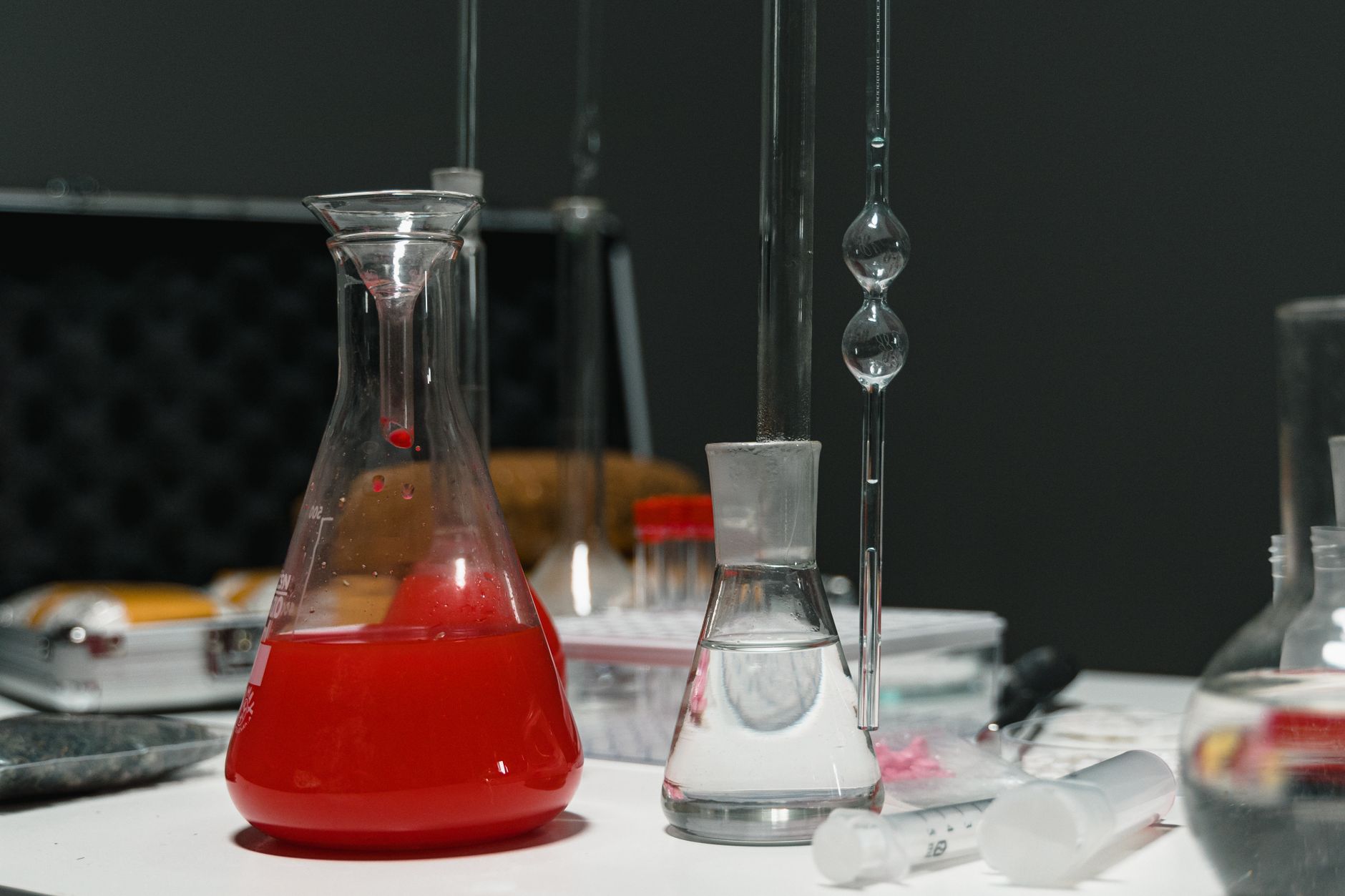
Human platelet lysate (hPL) is the most studied replacement. A 2020 systematic review of 56 studies found that human mesenchymal stem cells grown in hPL multiplied faster, with surface markers and differentiation ability similar to cells grown in FBS, and concluded that hPL is a feasible substitute.
Serum-free, xeno-free and chemically defined media are another option. The 2016 review lists them alongside human blood-derived supplements as alternatives to FBS, each with its own trade-offs.
The supplement a facility uses does not by itself decide whether a treatment is lawful or effective. It does show how the facility manages contamination risk and batch consistency, and a clinic should be able to tell you.
Fresh vs frozen cells: what the research says
Cultured cells are often frozen in batches and thawed for each infusion, so one fat harvest can supply several treatments. Some facilities use cells fresh. The research points in different directions:
- Irioda and colleagues (2016) cultured fat-derived stem cells from 12 healthy adult donors, froze them, and thawed them. Viability fell from about 91% to about 75%, colony-forming ability fell, and expression of the adhesion molecule CD49d dropped. The cells kept their ability to differentiate into several cell types.
- Moll and colleagues (2014) found that freshly thawed mesenchymal stromal cells had impaired immunomodulatory properties, triggered a stronger instant inflammatory reaction on contact with blood, and were cleared faster by complement. Their small clinical data set also showed a trend in favor of fresh, low-passage cells; it was an observation, not a controlled trial result.
- Dave and colleagues (2022) systematically reviewed 18 animal studies. Of 257 in vivo outcomes, only 6 differed significantly (2 favored fresh cells, 4 favored frozen), and of 68 in vitro potency tests, 9 differed (7 favored fresh, 2 favored frozen). Most outcomes showed no significant difference.
Taken together, thawing stresses cells, and viability and some functions can drop right after thawing, yet across animal studies most outcomes are similar. Human comparative data remain limited. The practical questions are how the facility handles thawing and whether viability is measured before infusion.
A note on DMSO: freezing usually requires a cryoprotectant, most often dimethyl sulfoxide. A review of hematopoietic stem cell transplantation linked frozen grafts to allergic, gastrointestinal, cardiovascular and neurological reactions, with DMSO considered the main cause, and noted that many studies recommend removing it before infusion. That evidence comes from blood stem cell transplants, so it does not transfer directly to fat-derived cell infusions, but asking whether the freezing solution is washed out is reasonable.
Release testing before cells reach the patient
| Test | What it checks | Basis in Japan |
|---|---|---|
| Sterility | Bacteria and fungi | Article 89 requires sterility testing equipment; MHLW's guideline on the microbiological safety of specified processed cell products |
| Mycoplasma | Mycoplasma contamination | Required before use in MHLW's 2008 guideline for cell-based drug products; a reference practice for clinic products |
| Endotoxin | Bacterial endotoxin within safe limits | Listed separately in the same 2008 guideline; a reference practice |
| Cell count and viability | Total cells and the share alive | Set by each facility's own specifications |
MHLW issued its guideline on the microbiological safety of specified processed cell products on October 6, 2025, and revised it on June 12, 2026 to add requirements for rapid sterility testing by nucleic acid amplification. The 2008 guideline also says that if a sterility result will only be available after administration, the response must be decided in advance.
Questions to ask about culture
- Is the facility inside the clinic, a licensed facility in Japan, or an accredited overseas facility? What are the facility and plan numbers?
- How are the cells isolated, by enzyme or by explant?
- Does the medium use FBS, human platelet lysate, or a serum-free formula?
- To which passage are the cells grown, and how many weeks does culture take?
- Are cells used fresh or frozen? How are they thawed, and is the freezing solution removed?
- Which release tests are run, and can I have the cell count and viability for each infusion in writing?
For more, see Mesenchymal Stem Cells Explained: Umbilical Cord, Fat and Bone Marrow Sources and 10 Questions to Ask a Japanese Clinic Before Regenerative Treatment. Our advisors work directly with Japanese hospitals and clinics and can put these questions to the doctor for you; see our services.
Frequently asked questions
Where are stem cells cultured for treatment in Japan?
In a cell processing facility registered under the Act on the Safety of Regenerative Medicine. It may sit inside the clinic, be a licensed facility elsewhere in Japan, or be an accredited facility overseas.
Is a licensed outside facility better than a clinic's own lab?
They are different legal routes, not quality grades. Licensed facilities are inspected by PMDA and renewed periodically, while in-clinic facilities file a notification; both must follow the same structural and quality-control rules.
What do PB and PC mean on a clinic brochure?
They are the opening letters of provision plan numbers. Published committee lists show Class II plans starting with PB and Class III plans with PC; the meaning of the other characters has not been officially explained.
Are serum-free cultured stem cells better?
Not necessarily. Serum-free and xeno-free media remove concerns tied to bovine serum, but each formula has trade-offs, and the overall process and testing matter more.
Do frozen stem cells still work?
Research shows viability and some functions can drop right after thawing, but a review of 18 animal studies found most outcomes did not differ significantly between fresh and frozen cells. How the facility thaws the cells and checks viability is the practical issue.
Sources: FDA, "Important Patient and Consumer Information About Regenerative Medicine Therapies"; Act on the Safety of Regenerative Medicine (Act No. 85 of 2013), Articles 2, 35, 36, 39, 40, 42 and 44, e-Gov Law API; Enforcement Regulations (MHLW Ordinance No. 110 of 2014), Articles 89 and 91–110, e-Gov Law API; MHLW, cell processing facility procedures and "Implementation status of the Act on the Safety of Regenerative Medicine" (data as of September 30, 2026); MHLW guideline on the microbiological safety of specified processed cell products, 2nd edition (2026); MHLW notice Yakushoku-hatsu 0912006 (2008), via PMDA; MHLW e-Saisei Iryo system guidance; Keio University certified committee published list; Guiotto et al., Journal of Translational Medicine 2020; Dessels et al., Frontiers in Cell and Developmental Biology 2016; Irioda et al., Stem Cells International 2016; Moll et al., Stem Cells 2014; Dave et al., eLife 2022; Shu et al., Bone Marrow Transplantation 2014; Priya et al., Journal of Tissue Engineering and Regenerative Medicine 2014. Checked November 2026; MHLW publications prevail.
Medical disclaimer: This site provides general information only and does not constitute medical advice; whether any treatment is suitable for you must be decided by a doctor after an in-person consultation.