The most advanced stem cell work in diabetes is in type 1 diabetes: islet cells grown from stem cells and transplanted into patients. Teams in the US, Japan and China have reported early human results, and some trial participants have stopped injecting insulin. These studies are small, participants in the published studies take immunosuppressive drugs, and as of November 2026 no stem cell-derived islet product is approved in the US or Japan. Research in type 2 diabetes is at an earlier stage.
This guide explains what the research is trying to do, where each country stands, what is already approved, and how to read the "stem cell for diabetes" programs offered by private clinics in Japan.
Type 1 and type 2: two different problems
Type 1 diabetes is autoimmune. The immune system destroys the insulin-producing beta cells in the pancreatic islets, so the body stops making insulin and the patient depends on it for life. The main stem cell strategy here is replacement: turn pluripotent stem cells (iPS or ES cells) into insulin-producing islet cells in the lab, then transplant them.
Two obstacles shape every trial. The transplanted cells can be rejected like any donor tissue, and the original autoimmune attack can target the new beta cells too. That is why current studies pair the cells with immunosuppression.
Type 2 diabetes is driven mainly by insulin resistance, with beta cell function declining over time. Some researchers are testing whether mesenchymal stem cells (MSCs), through the signals they release, can dampen inflammation or improve insulin sensitivity. Human evidence for this approach still comes mostly from small early studies. For background on MSCs, see Mesenchymal Stem Cells Explained.
What is already approved: donor islets, not stem cells
Before looking at stem cell research, it helps to know that islet transplantation from deceased donors already exists as an approved treatment in both countries.
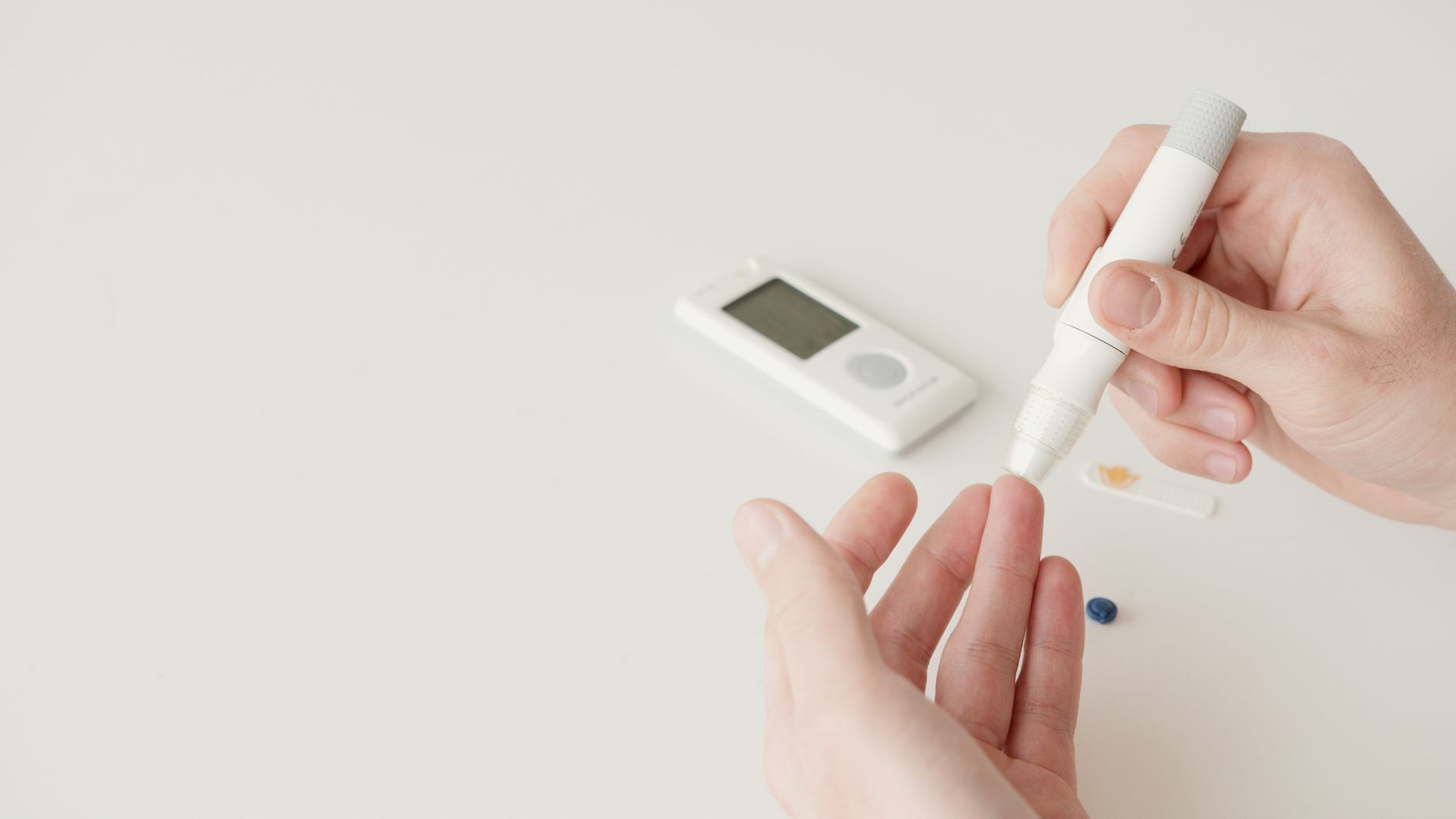
- United States. On June 28, 2023, the FDA approved Lantidra (donislecel), described by the agency as the first allogeneic pancreatic islet cell therapy made from deceased donor pancreatic cells. It is for adults with type 1 diabetes who have repeated episodes of severe low blood sugar despite intensive diabetes management. The cells are infused into the liver's portal vein, and recipients need immunosuppressive drugs to keep the islets working.
- Japan. A Ministry of Health, Labour and Welfare (MHLW) advanced-medicine document states that allogeneic deceased-donor islet transplantation (同種死体膵島移植) for type 1 diabetes became covered by national health insurance from fiscal year 2020, after its efficacy and safety were confirmed.
Both depend on donated pancreases, and donors are scarce. Stem cell-derived islets are meant to solve that supply problem, because stem cells can be expanded in large numbers. Everything below is still research.
United States: Vertex's zimislecel
The most detailed published data come from zimislecel (formerly VX-880), an allogeneic islet cell therapy fully differentiated from stem cells, developed by Vertex Pharmaceuticals. Results of its phase 1–2 study were published in the New England Journal of Medicine in June 2025 (Reichman et al.).
What the study reported:
- Design. Participants had type 1 diabetes. Those in the full-dose groups received a single infusion into the portal vein, and all participants took glucocorticoid-free immunosuppression.
- Who was analyzed. 14 participants completed at least 12 months of follow-up, 12 of whom received the full dose. None had detectable C-peptide (a marker of the body's own insulin production) at baseline; after infusion, all had detectable C-peptide.
- Glucose control. All 12 full-dose participants were free of severe hypoglycemic events and reached an HbA1c below 7%. Ten of the 12 were not using injected insulin at day 365.
- Safety. Neutropenia (low white blood cell count) was the most common serious adverse event, in 3 participants. Two participants died: one from cryptococcal meningitis and one from progression of preexisting neurocognitive impairment.
The authors described the study as small and short term, and their analyses as interim. Trade press in spring 2025 reported that Vertex had moved into the pivotal phase 3 portion of the study, in people with type 1 diabetes who have had severe hypoglycemic events, and expected to submit applications to the FDA, the European Medicines Agency and the UK regulator in 2026. Zimislecel remains investigational: as of November 2026 it does not appear on the FDA's list of approved cellular and gene therapy products. For how FDA approval works for cell therapies, see Which Stem Cell Treatments Are FDA-Approved.
Japan: Kyoto University's iPS-derived islet sheet
In Japan, the leading project is a physician-led clinical trial at Kyoto University Hospital. According to the hospital's April 2025 announcement:
- The product is OZTx-410, an islet cell sheet made from allogeneic iPS cells and developed by Orizuru Therapeutics. The iPS cells come from healthy donors with HLA-homozygous types, chosen to reduce the chance of rejection.
- The trial is for patients with type 1 diabetes. The first transplant took place in February 2025.
- The stated purpose is to evaluate safety in humans. An independent committee judged that there were no major safety problems through one month after surgery, and the team began preparing a second case. Follow-up is planned for up to five years.
So the Kyoto trial is not yet designed to show whether the sheet controls blood sugar; that question comes later. A March 2026 report by the Japan Science and Technology Agency's Science Portal listed type 1 diabetes (Kyoto University) among the trials and clinical studies in Japan aiming for approval as regenerative medicine products. The same report covered the conditional, time-limited approvals given on March 6, 2026 to two iPS-derived products for heart failure and Parkinson's disease, both of which must confirm effectiveness during a seven-year approval period. No diabetes product was part of that approval. More on that in Japan Approves the First iPS Cell-Derived Products and Stem Cell Therapy for Parkinson's Disease.
China: an exploratory study and trial clearances
Xinhua reported in March 2026 that a team from the Chinese Academy of Sciences' Center for Excellence in Molecular Cell Science and Shanghai Changzheng Hospital had published an exploratory clinical study in The Lancet Diabetes & Endocrinology. Three patients with type 1 diabetes received minimally invasive transplants of regenerated islets derived from either their own (autologous) or donor (allogeneic) stem cells. The researchers reported restored islet function, blood glucose regulation and freedom from injected insulin.
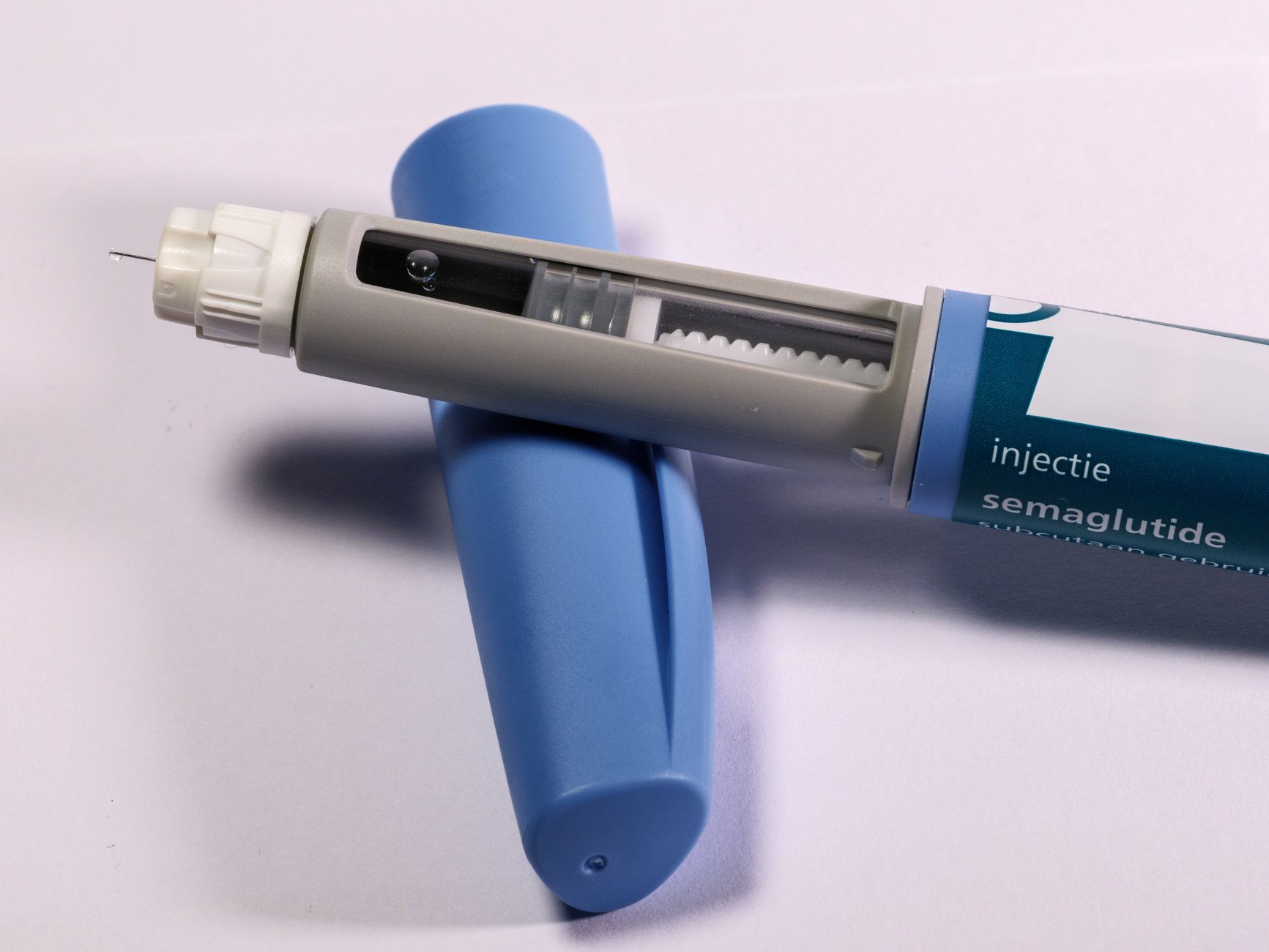
Xinhua also noted that the therapy still requires long-term immunosuppression to deal with problems such as recurrence of the autoimmune attack. The team's allogeneic product, E-islet01, received investigational new drug (IND) clearance in China in April 2025 and in the US in January 2026. An IND clearance permits formal clinical trials to begin. It is not a marketing approval.
How to read these results
- Very few patients. Kyoto University announced its first case, the key US data come from about a dozen people, and the Chinese study had three. Small studies can show that an approach is feasible. They cannot show how it will work across a broad population.
- Immunosuppression is part of the package. Long-term immunosuppressive drugs carry their own risks, including serious infections; one death in the zimislecel study was from a fungal infection. Lantidra's approved use and the zimislecel phase 3 study both focus on people with type 1 diabetes who have had severe hypoglycemia, rather than everyone with type 1 diabetes.
- Short follow-up. How long transplanted cells keep working, and the long-term safety picture, need years more observation.
- Trials have their own entry rules. These are regulated studies with eligibility criteria set by each trial. Joining one is a medical decision made by the trial team, and it is separate from receiving self-pay treatment at a clinic.
What Japanese clinics mean by "stem cells for diabetes"
Private clinics in Japan that offer stem cell treatment for diabetes do so under the Act on the Safety of Regenerative Medicine. Before offering it, a clinic must have its provision plan reviewed by a certified committee and then file it with the authorities. This care is self-pay (jiyū shinryō): it sits outside public insurance, and the clinic sets its own fees.
Under the Act's enforcement regulations, generally:
| Cells used | Usual risk class | What it means |
|---|---|---|
| The patient's own fat-derived MSCs, cultured | Class II | Plan reviewed by a specially certified committee |
| Donated cells, such as umbilical cord-derived MSCs from another person | Class I | Plan filed with the Minister; treatment generally cannot start until 90 days after filing |
| iPS or ES cell-derived cells | Class I | Same as above |
The actual class depends on the clinic's filed plan. Filing a plan shows that the clinic completed the legal procedure; it does not show that the treatment works for diabetes. These clinic programs are a different route from the islet trials described above. For the full framework, see How Japan regulates regenerative medicine and Regenerative Medicine in Japan: How the Safety Act Works.
Questions to settle before traveling
- What exactly is being offered? An approved product, a clinical trial, or a self-pay treatment provided under a filed plan?
- Which cells, and which class? Are they the patient's own or a donor's, are they cultured, which risk class is the plan in, and which committee reviewed it?
- Which type of diabetes is it for? What will be measured before and after, how often, and how will your current insulin or medication be adjusted, together with your diabetes doctor at home?

For diabetes, a Japanese doctor first reviews your medical records to judge whether any treatment is appropriate. Our advisors arrange that review, including translation of your records and a remote video first consultation, and consultation is free. If you want to know whether a specific clinic has filed a provision plan for the treatment it offers, send the clinic's name to our advisors and we will check whether it has filed a provision plan. You can also start with our pre-screening, or read How to Tell Whether a Japanese Regenerative Medicine Clinic Is Compliant.
Frequently asked questions
Can stem cells treat diabetes today?
Not as an established treatment. In small published studies of stem cell-derived islets for type 1 diabetes, some participants stopped injecting insulin, but they took immunosuppressive drugs, and these products remain investigational in the US and Japan.
Is there an FDA-approved cell therapy for type 1 diabetes?
Yes, but it does not use stem cells. Lantidra, approved by the FDA in June 2023, uses islets from deceased donors and is for adults with repeated severe hypoglycemia despite intensive management; recipients need immunosuppression.
Are there stem cell diabetes trials in Japan?
Yes. Kyoto University Hospital is running a physician-led trial of an islet cell sheet made from donor iPS cells for type 1 diabetes; the first transplant was in February 2025, and the trial's purpose is to assess safety.
Does stem cell therapy help type 2 diabetes?
The evidence is still early. Type 2 diabetes is mainly about insulin resistance, and studies of MSCs have been small, so weight management, diet, exercise and medication remain the foundation of care.
What kind of treatment is a stem cell infusion for blood sugar at a Japanese clinic?
It is self-pay care provided under a plan filed under the regenerative medicine law. Cultured cells from your own fat are generally Class II, and donated cells are Class I; a filed plan shows legal compliance, and a Japanese doctor first reviews your medical records to judge whether any treatment is appropriate.
Sources: Reichman et al., New England Journal of Medicine (2025); US FDA announcement on Lantidra (June 2023); MHLW Advanced Medical Care (先進医療) evaluation document B124 on islet transplantation; Kyoto University Hospital announcement (April 2025); JST Science Portal (March 18, 2026); Xinhua (March 17, 2026); Managed Healthcare Executive (April 2025); US FDA, Approved Cellular and Gene Therapy Products (current as of October 30, 2026); Act on the Safety of Regenerative Medicine and its Enforcement Regulations. Checked November 2026; MHLW publications prevail.
Medical disclaimer: This site provides general information only and does not constitute medical advice; whether any treatment is suitable for you must be decided by a doctor after an in-person consultation.